Showing posts with label interview. Show all posts

Wednesday, June 18, 2014

It's been a roller coaster kind of week here at casa de Grimm. Just a few days ago, I was having a grand time with my fellow TVP ladies as we recorded this week's episode of The Vodka Press podcast. Then yesterday... my grandmother passed away.

My grandmother suffered for years from a smorgasbord of illnesses; ultimately, it was a combination of a respiratory infection (possibly pneumonia?) and Alzheimer's that led to her death.

A lot of us folks in our 20s, 30s, and even 40s don't give much thought to Alzheimer's disease (AD); it's just an "old person's" disease, right? Wrong. According to the Alzheimer's Association, "approximately 200,000 individuals younger than age 65 have younger-onset Alzheimer's." In fact, you can develop and be diagnosed with early onset AD in your 40s.

It's a terrifying disease, one that "kills more than prostate cancer and breast cancer combined." Even if you don't have a loved one who suffers from AD and/or don't think you're at risk (yet), it's still important to understand the symptoms, risks, treatments, etc.

Today I want to share an interview I did with Jacqeline Marcell, author of Elder Rage—or—Take My Father...Please! How To Survive Caring For Aging Parents. Jacqeline's an amazing woman who aims to educate others (regardless of age) on early signs of AD, coping with a loved one who has Alzheimer's or another form of Dementia, tips for managing an elder loved one's care, and more. Take a listen below:


To learn more about Jacqueline and her book Elder Rage, visit www.elderrage.com and tune in to this special spot. Click here for the "Ten Warning Signs of Alzheimer's" list that she mentioned during the interview.

Another great resource to check out is, of course, the Alzheimer's Association (www.alz.org). You can read up on the different stages of AD, review AD facts/figures, find local support if you or a loved one suffers from the disease, get involved in fundraising and/or other volunteer opportunities, etc.


****

And before I go, I just want to thank everyone for reading this post. I know it's a heavy topic but, as we say here on The Vodka Press, this is one of those conversations we all need to have (with ourselves, our families, and so forth). Next week, I promise to serve up one of my usual sexy and geeky pieces. Take care folks. xoxo

Loss, Loved Ones, and Alzheimer's - An Interview with author Jacqeline Marcell

It's been a roller coaster kind of week here at casa de Grimm. Just a few days ago, I was having a grand time with my fellow TVP ladies as we recorded this week's episode of The Vodka Press podcast. Then yesterday... my grandmother passed away.

My grandmother suffered for years from a smorgasbord of illnesses; ultimately, it was a combination of a respiratory infection (possibly pneumonia?) and Alzheimer's that led to her death.

A lot of us folks in our 20s, 30s, and even 40s don't give much thought to Alzheimer's disease (AD); it's just an "old person's" disease, right? Wrong. According to the Alzheimer's Association, "approximately 200,000 individuals younger than age 65 have younger-onset Alzheimer's." In fact, you can develop and be diagnosed with early onset AD in your 40s.

It's a terrifying disease, one that "kills more than prostate cancer and breast cancer combined." Even if you don't have a loved one who suffers from AD and/or don't think you're at risk (yet), it's still important to understand the symptoms, risks, treatments, etc.

Today I want to share an interview I did with Jacqeline Marcell, author of Elder Rage—or—Take My Father...Please! How To Survive Caring For Aging Parents. Jacqeline's an amazing woman who aims to educate others (regardless of age) on early signs of AD, coping with a loved one who has Alzheimer's or another form of Dementia, tips for managing an elder loved one's care, and more. Take a listen below:


To learn more about Jacqueline and her book Elder Rage, visit www.elderrage.com and tune in to this special spot. Click here for the "Ten Warning Signs of Alzheimer's" list that she mentioned during the interview.

Another great resource to check out is, of course, the Alzheimer's Association (www.alz.org). You can read up on the different stages of AD, review AD facts/figures, find local support if you or a loved one suffers from the disease, get involved in fundraising and/or other volunteer opportunities, etc.


****

And before I go, I just want to thank everyone for reading this post. I know it's a heavy topic but, as we say here on The Vodka Press, this is one of those conversations we all need to have (with ourselves, our families, and so forth). Next week, I promise to serve up one of my usual sexy and geeky pieces. Take care folks. xoxo

Wednesday, April 23, 2014

image via www.amazon.com
As a chaser to Episode #26: Revisiting Vices: 420, Narcotics, Cigarettes, and More, I sat down for a Skype call interview with Adele Park. Adele's an author, producer, audio editor, and studio announcer. She recently released Yikes!: Another Quirky Audio Book, in which "marijuana and reality TV collide."

During the interview, we discuss the legalization of 420, the benefits of audio books, sources of inspiration, as well as some tips for writers.

You can listen to it below:


For more information on Adele Park and Yikes!: Another Quirky Audio Book, check out www.yikesaudiobook.com. Yikes! is available on amazon.com and audible.com.

Light Up and Listen In: an Interview with author Adele Park

image via www.amazon.com
As a chaser to Episode #26: Revisiting Vices: 420, Narcotics, Cigarettes, and More, I sat down for a Skype call interview with Adele Park. Adele's an author, producer, audio editor, and studio announcer. She recently released Yikes!: Another Quirky Audio Book, in which "marijuana and reality TV collide."

During the interview, we discuss the legalization of 420, the benefits of audio books, sources of inspiration, as well as some tips for writers.

You can listen to it below:


For more information on Adele Park and Yikes!: Another Quirky Audio Book, check out www.yikesaudiobook.com. Yikes! is available on amazon.com and audible.com.

Wednesday, April 2, 2014

As both I and my colleague Karly Kingsley have discussed before, there's a sweet sort of torment to being a writer.

And we writers are a curious bunch. I'm always looking to hone my craft and and discover new ways to promote my works. So I recently sat down to chat with author Lillian Brummet, via Skype. Lillian runs the Brummet Media Group, helping authors publish and promote their works; she also hosts the podcast Conscious Discussions.

During our interview, we chatted about overcoming writer's block, tips for holding an event (to launch/promote your book), and how writers can impact the world around them. You can listen to it below:


I had a great time speaking with Lillian, her tips will definitely help me with my writing - and hopefully they help you with yours, too!

www.amazon.com
To learn more about Lillian and the Brummet Media Group, check out brummet.ca. She offers a variety of books on the site, including Purple Snowflake Marketing (to help authors market their books). You can also order a copy of Purple Snowflake Marketing via amazon.com and barnesandnoble.com.

And I highly recommend you tune in to Lillian's show, Conscious Discussions; it's available on blogtalkradio.com.

Think It, Write It, and Get It Out There - Tips For Writers (with Author Lillian Brummet)

As both I and my colleague Karly Kingsley have discussed before, there's a sweet sort of torment to being a writer.

And we writers are a curious bunch. I'm always looking to hone my craft and and discover new ways to promote my works. So I recently sat down to chat with author Lillian Brummet, via Skype. Lillian runs the Brummet Media Group, helping authors publish and promote their works; she also hosts the podcast Conscious Discussions.

During our interview, we chatted about overcoming writer's block, tips for holding an event (to launch/promote your book), and how writers can impact the world around them. You can listen to it below:


I had a great time speaking with Lillian, her tips will definitely help me with my writing - and hopefully they help you with yours, too!

www.amazon.com
To learn more about Lillian and the Brummet Media Group, check out brummet.ca. She offers a variety of books on the site, including Purple Snowflake Marketing (to help authors market their books). You can also order a copy of Purple Snowflake Marketing via amazon.com and barnesandnoble.com.

And I highly recommend you tune in to Lillian's show, Conscious Discussions; it's available on blogtalkradio.com.

Monday, March 31, 2014

Everyone has moments where she/he/it doesn't feel like they're "enough." The media, and our collective society, is obsessed with the idea of perfection, whether it's pushing unrealistic standards for physical attractiveness to dictating what hobbies/interests are most desirable, and so on.

Here at The Vodka Press, we're all about shattering those notions and encouraging people to question the norms and appreciate who they are inside and out - that's why we decided to tackle these issues (for both women and men) in EP #23: The Attraction of Beautification and Beardification.

As a followup, Karly Kingsley and Zoe Grimm chatted with author Jennifer Tress, via Skype, to discuss her book You're Not Pretty Enough as well as societal attitudes towards what is and isn't considered beautiful, acceptable, and ideal.

You can listen to the interview below:


www.amazon.com
Jennifer Tress is an amazing woman, and the stories she shares in You're Not Pretty Enough are truly inspiring. If you don't have a copy, we highly recommend you get one ASAP! You can find You're Not Pretty Enough on amazon.com. And check out Jennifer's website, www.yourenotprettyenough.com; you can find out what upcoming events she'll be speaking at, share your own 'not [pretty/smart/etc.] enough' story, and more.

Episode #23 Bonus Interview w/ Jennifer Tress, author of "You're Not Pretty Enough"

Everyone has moments where she/he/it doesn't feel like they're "enough." The media, and our collective society, is obsessed with the idea of perfection, whether it's pushing unrealistic standards for physical attractiveness to dictating what hobbies/interests are most desirable, and so on.

Here at The Vodka Press, we're all about shattering those notions and encouraging people to question the norms and appreciate who they are inside and out - that's why we decided to tackle these issues (for both women and men) in EP #23: The Attraction of Beautification and Beardification.

As a followup, Karly Kingsley and Zoe Grimm chatted with author Jennifer Tress, via Skype, to discuss her book You're Not Pretty Enough as well as societal attitudes towards what is and isn't considered beautiful, acceptable, and ideal.

You can listen to the interview below:


www.amazon.com
Jennifer Tress is an amazing woman, and the stories she shares in You're Not Pretty Enough are truly inspiring. If you don't have a copy, we highly recommend you get one ASAP! You can find You're Not Pretty Enough on amazon.com. And check out Jennifer's website, www.yourenotprettyenough.com; you can find out what upcoming events she'll be speaking at, share your own 'not [pretty/smart/etc.] enough' story, and more.

Monday, March 10, 2014

Just because the episode's over, doesn't mean the cultural conversation has to end.

image via lori-jean
The ladies of The Vodka Press sat down to interview Lori Jean - a musician, advocate for women (esp. women who have suffered from abuse), and survivor of a truly heartbreaking abuse herself. Lori Jean draws inspiration from her own past trauma as well as from the issues of others, turning them into beautiful music.

You can listen to the interview below:


To find out more about Lori Jean, you can visit her website lori-jean.com. You can listen to one of Lori Jean's songs here; to find more, visit her iTunes page.

Episode #20 Bonus Interview w/ Lori Jean, Musician and Survivor

Just because the episode's over, doesn't mean the cultural conversation has to end.

image via lori-jean
The ladies of The Vodka Press sat down to interview Lori Jean - a musician, advocate for women (esp. women who have suffered from abuse), and survivor of a truly heartbreaking abuse herself. Lori Jean draws inspiration from her own past trauma as well as from the issues of others, turning them into beautiful music.

You can listen to the interview below:


To find out more about Lori Jean, you can visit her website lori-jean.com. You can listen to one of Lori Jean's songs here; to find more, visit her iTunes page.

Monday, February 24, 2014

We discussed many topics during our self relationship episode, including: losing ourselves in relationships and healing our relationships with ourselves. I learned a lot from the articles we read as well as from the discussion with my fellow TVP ladies; but I still had some questions.

So I decided to sit down and chat with Wendy Spurgeon. Wendy is a certified integrative coach professional, certified hypnotist, reiki practitioner, and ordained minister. She specializes in love and sex addiction, as well as codependency recovery. We discussed her teleconference ("Being Your Favorite Lover Now"), her coaching, losing one's self in relationships, and more.

I originally planned to release this as an audio interview, but no matter how much editing and fiddling I did, the audio was stat-icky. I blame the wind and snow from that evening. But I've transcribed the interview below for everyone, enjoy!

*****

ZG: Hi Wendy. We can keep this a little more conversational, but I'd love to hear more about your recent teleconference, "Being Your Favorite Lover Now." What inspired you to do this and what is it about?

WS: Before, during, and even after Valentine's Day, we're barraged with all this imagery about romantic love. And around this time of year, the suicide rate rise because of that shadow, that kind of pervasive programming of: you should be in a paired relationship, and it should be this passionate, romantic experience. So if you're NOT, then that can bring up a lot of shadow belief that we have about ourselves. "I'm not good enough," "I'm a failure at relationships," "I'm only lovable if I'm perfect, if I'm the right weight or if I look a certain way or if I make a certain amount of money," and so on. And this applies to men and women both. I mean men can feel a lot of pressure to impress, perform, and overspend; and women do, too. They both wonder "am I enough, as I am?" It brings up all these insecurities and some really deep limiting beliefs about ourselves.

Mirror mirror by sic-purity on deviantart.com
WS: So I feel like now's the time to have this conversation, as a society and also with ourselves, about how to be your favorite lover now. When people think about self love, I mean, most wonder "What is that? Do you mean masturbation?" The answer's no, self love is pretty encompassing. And I want to encourage people to work through whatever shadows that they have around sexual expression.

ZG: Self love certainly goes deeper than masturbation. Although I think that's one thing many people struggle with - accepting and feeling okay to talk about intimate, sexual self love.

WS: I agree. You know, I came from a time when sex was just something that wasn't talked about. Or if you're a small child and you're having an innocent moment of sexual self expression, and your parent comes in, there's this shaming moment that happens. That all gets internalized to "Oh this is bad. This feeling that feels so good in my body is wrong, it makes me a bad girl or a bad boy, and it's something I've gotta hide or try to deny or repress." And that can all be the root of problems in our adult lives, whether it's subconscious or you're fully aware of it.

WS: So with teleconference "Being Your Favorite Lover Now" and also within my coaching, I want to help deprogram those limiting beliefs and help people achieve their most joyous sexual and creative expression. During the teleconference, I want to go deeply into helping people uncover their sexuality, sensuality, the shadow of relationships, and the many ways we can give ourselves that love, assurance, acceptance, and pleasure that we wanted from other people - you don't need someone else to give you those, you can give them to yourself.

WS: And it's something even partnered people can benefit from; when you love yourself and "show up fully" for yourself, you can do so for others. You can be available emotionally for them and deepen your bond. It all starts with self love.

ZG: Definitely. One thing we discussed during EP#18 of The Vodka Press was the idea of losing ourselves. That's one of the reasons why we all need to have (and even want to have) discussions on self love. We lose ourselves to our partners, work, family, kids, friends, etc. Self relationships get much more attention in the media nowadays then even when I was growing up - which wasn't THAT long ago. Do you think that we lose ourselves more nowadays, or are we just more cognizant of it, that it's become more acceptable to discuss it?
By PRA [CC-BY-3.0], via Wikimedia Commons

WS: Boy that's such an interesting question. Like I said before, I feel like it is definitely time for these conversations which is why they're happening. If you look back in history, there was this whole move away from the sensual feminine and towards patriarchy. So there's cultural beliefs about what we can be and what we cannot be based on our status, gender, etc.

ZG: So based off our history as a society?

WS: And based off our personal histories. Losing ourselves is something that happens almost immediately at birth. When we're born, we're complete and we only have two fears: loud noises and falling. Those are the only ones we're born with, the rest are taught to us either purposefully or unconsciously by watching the world around us. You learn what your identity is and it's a pretty small sliver of what you're actually born with.

WS: Losing yourself is something that, looking at it from the other side, we're coming to a point in our lives that we're maturing and we're realizing that there's so much of ourselves that we're not even acknowledging. It's an unconscious thing, and we've been basically doing it our whole lives. So the process of uncovering and embracing the different parts of who we are is like reclaiming ourselves. People are lost already, by a certain age, and by reclaiming ourselves we're moving back to that original wholeness. That wholeness has been there the entire time, it's not like it went anywhere - we haven't actually lost ourselves, we just forgot it.

ZG: That's a good way to look at it. We forget ourselves or parts of ourselves as we go.

WS: Exactly. And when you start to remember who you are, when you start acknowledging those parts of yourself that you lost touch with, it can be daunting. Because then you have no more excuses. You know what I mean? Now you've got to take responsibility and stand up for who you really are.

ZG: When people come to you for coaching, do you they come to you with issues about disconnect from career or mostly interpersonal/romantic relationships?

WS: People come to me with all different life issues. When someone first comes in, we figure out their goal and set up milestones to help them achieve it; there's definitely steps to get from point A to point B. But what often happens is someone will come in thinking they're there or they need help for one thing, and what we discover is everything is connected. For example, someone may come in with a desire to stop overeating and he uncovers that he does it to self-medicate because he's running away from who he really is.

WS: Fear is at the root of all the issues my clients come in for. And their visions or goals may increase exponentially within the first three months of working with me as we uncover and work through those fears, the root(s) of those fears. When someone makes an improvements let's say in the area of health and body, it ripples out and all of a sudden you're starting to see improvement in your relationships with your finances, your partner, and so on.

ZG: I agree, I've seen and experienced that even in my own life. So, I don't want you to give away everything, but for someone today who thinks "hey I want to have a better relationship with myself" and acknowledges that he or she needs to make changes, what's the first step he or she should do to act on making that change?

WS: I would encourage them to journal, if they don't already, and write out a list of what makes them feel good. What are the things that light them up? And what are some things they enjoyed doing as a kid but don't do anymore? For example, someone might've loved to dance as a kid but now she's a mom with four kids. And she thinks taking a dance class would be selfish because that's taking time away from all this other stuff. But finding a way to integrate those parts of you that make you feel really good and giving yourself permission to allow that pleasure into your life - that's important! Even if you have to trick yourself, and what I mean by that is convince the part of your self that gives excuses to try it because doing something that makes you feel good will help you be more accessible to your kids, partner, etc. and be a better mom/wife/etc.
By alexindigo on Flickr (CC BY 2.0)

ZG: Even as adults, we do need to play and enjoy the more "simpler" things in life.

WS: Absolutely.

ZG: I know we're running short on time, so I'd like to ask one more question: Where can people learn more about you and your work?

WS: I do have a blog of my personal transformation story, it's www.wendyspurgeon.com. The best way for people to reach out is by emailing me (here). They can reach out about coaching, or even about the teleconference. "Being Your Favorite Lover Now" was recorded so I can send along a copy to anyone who's interested.

ZG: Awesome. Thank you so much, Wendy, for taking the time to speak with me today.

WS: Thank you, Zoe! Have a great rest of your night.

Interview with Wendy Spurgeon, Integrative Coach

We discussed many topics during our self relationship episode, including: losing ourselves in relationships and healing our relationships with ourselves. I learned a lot from the articles we read as well as from the discussion with my fellow TVP ladies; but I still had some questions.

So I decided to sit down and chat with Wendy Spurgeon. Wendy is a certified integrative coach professional, certified hypnotist, reiki practitioner, and ordained minister. She specializes in love and sex addiction, as well as codependency recovery. We discussed her teleconference ("Being Your Favorite Lover Now"), her coaching, losing one's self in relationships, and more.

I originally planned to release this as an audio interview, but no matter how much editing and fiddling I did, the audio was stat-icky. I blame the wind and snow from that evening. But I've transcribed the interview below for everyone, enjoy!

*****

ZG: Hi Wendy. We can keep this a little more conversational, but I'd love to hear more about your recent teleconference, "Being Your Favorite Lover Now." What inspired you to do this and what is it about?

WS: Before, during, and even after Valentine's Day, we're barraged with all this imagery about romantic love. And around this time of year, the suicide rate rise because of that shadow, that kind of pervasive programming of: you should be in a paired relationship, and it should be this passionate, romantic experience. So if you're NOT, then that can bring up a lot of shadow belief that we have about ourselves. "I'm not good enough," "I'm a failure at relationships," "I'm only lovable if I'm perfect, if I'm the right weight or if I look a certain way or if I make a certain amount of money," and so on. And this applies to men and women both. I mean men can feel a lot of pressure to impress, perform, and overspend; and women do, too. They both wonder "am I enough, as I am?" It brings up all these insecurities and some really deep limiting beliefs about ourselves.

Mirror mirror by sic-purity on deviantart.com
WS: So I feel like now's the time to have this conversation, as a society and also with ourselves, about how to be your favorite lover now. When people think about self love, I mean, most wonder "What is that? Do you mean masturbation?" The answer's no, self love is pretty encompassing. And I want to encourage people to work through whatever shadows that they have around sexual expression.

ZG: Self love certainly goes deeper than masturbation. Although I think that's one thing many people struggle with - accepting and feeling okay to talk about intimate, sexual self love.

WS: I agree. You know, I came from a time when sex was just something that wasn't talked about. Or if you're a small child and you're having an innocent moment of sexual self expression, and your parent comes in, there's this shaming moment that happens. That all gets internalized to "Oh this is bad. This feeling that feels so good in my body is wrong, it makes me a bad girl or a bad boy, and it's something I've gotta hide or try to deny or repress." And that can all be the root of problems in our adult lives, whether it's subconscious or you're fully aware of it.

WS: So with teleconference "Being Your Favorite Lover Now" and also within my coaching, I want to help deprogram those limiting beliefs and help people achieve their most joyous sexual and creative expression. During the teleconference, I want to go deeply into helping people uncover their sexuality, sensuality, the shadow of relationships, and the many ways we can give ourselves that love, assurance, acceptance, and pleasure that we wanted from other people - you don't need someone else to give you those, you can give them to yourself.

WS: And it's something even partnered people can benefit from; when you love yourself and "show up fully" for yourself, you can do so for others. You can be available emotionally for them and deepen your bond. It all starts with self love.

ZG: Definitely. One thing we discussed during EP#18 of The Vodka Press was the idea of losing ourselves. That's one of the reasons why we all need to have (and even want to have) discussions on self love. We lose ourselves to our partners, work, family, kids, friends, etc. Self relationships get much more attention in the media nowadays then even when I was growing up - which wasn't THAT long ago. Do you think that we lose ourselves more nowadays, or are we just more cognizant of it, that it's become more acceptable to discuss it?
By PRA [CC-BY-3.0], via Wikimedia Commons

WS: Boy that's such an interesting question. Like I said before, I feel like it is definitely time for these conversations which is why they're happening. If you look back in history, there was this whole move away from the sensual feminine and towards patriarchy. So there's cultural beliefs about what we can be and what we cannot be based on our status, gender, etc.

ZG: So based off our history as a society?

WS: And based off our personal histories. Losing ourselves is something that happens almost immediately at birth. When we're born, we're complete and we only have two fears: loud noises and falling. Those are the only ones we're born with, the rest are taught to us either purposefully or unconsciously by watching the world around us. You learn what your identity is and it's a pretty small sliver of what you're actually born with.

WS: Losing yourself is something that, looking at it from the other side, we're coming to a point in our lives that we're maturing and we're realizing that there's so much of ourselves that we're not even acknowledging. It's an unconscious thing, and we've been basically doing it our whole lives. So the process of uncovering and embracing the different parts of who we are is like reclaiming ourselves. People are lost already, by a certain age, and by reclaiming ourselves we're moving back to that original wholeness. That wholeness has been there the entire time, it's not like it went anywhere - we haven't actually lost ourselves, we just forgot it.

ZG: That's a good way to look at it. We forget ourselves or parts of ourselves as we go.

WS: Exactly. And when you start to remember who you are, when you start acknowledging those parts of yourself that you lost touch with, it can be daunting. Because then you have no more excuses. You know what I mean? Now you've got to take responsibility and stand up for who you really are.

ZG: When people come to you for coaching, do you they come to you with issues about disconnect from career or mostly interpersonal/romantic relationships?

WS: People come to me with all different life issues. When someone first comes in, we figure out their goal and set up milestones to help them achieve it; there's definitely steps to get from point A to point B. But what often happens is someone will come in thinking they're there or they need help for one thing, and what we discover is everything is connected. For example, someone may come in with a desire to stop overeating and he uncovers that he does it to self-medicate because he's running away from who he really is.

WS: Fear is at the root of all the issues my clients come in for. And their visions or goals may increase exponentially within the first three months of working with me as we uncover and work through those fears, the root(s) of those fears. When someone makes an improvements let's say in the area of health and body, it ripples out and all of a sudden you're starting to see improvement in your relationships with your finances, your partner, and so on.

ZG: I agree, I've seen and experienced that even in my own life. So, I don't want you to give away everything, but for someone today who thinks "hey I want to have a better relationship with myself" and acknowledges that he or she needs to make changes, what's the first step he or she should do to act on making that change?

WS: I would encourage them to journal, if they don't already, and write out a list of what makes them feel good. What are the things that light them up? And what are some things they enjoyed doing as a kid but don't do anymore? For example, someone might've loved to dance as a kid but now she's a mom with four kids. And she thinks taking a dance class would be selfish because that's taking time away from all this other stuff. But finding a way to integrate those parts of you that make you feel really good and giving yourself permission to allow that pleasure into your life - that's important! Even if you have to trick yourself, and what I mean by that is convince the part of your self that gives excuses to try it because doing something that makes you feel good will help you be more accessible to your kids, partner, etc. and be a better mom/wife/etc.
By alexindigo on Flickr (CC BY 2.0)

ZG: Even as adults, we do need to play and enjoy the more "simpler" things in life.

WS: Absolutely.

ZG: I know we're running short on time, so I'd like to ask one more question: Where can people learn more about you and your work?

WS: I do have a blog of my personal transformation story, it's www.wendyspurgeon.com. The best way for people to reach out is by emailing me (here). They can reach out about coaching, or even about the teleconference. "Being Your Favorite Lover Now" was recorded so I can send along a copy to anyone who's interested.

ZG: Awesome. Thank you so much, Wendy, for taking the time to speak with me today.

WS: Thank you, Zoe! Have a great rest of your night.
www.selfappeal.com
As a bonus chaser for EP#18, Kit Bangles conducted an interview with Susan Bremer O'Neill.

Susan is the founder of Self Appeal (www.selfappeal.com) and the author of From Sex Appeal to Self Appeal: One woman's journey to recover her body, her sexuality, her self.

They discussed Susan's works, her experiences, as well as her thoughts on self relationships.

You can listen to the interview below:


Interview with Susan Bremer O'Neill, Self Appeal

www.selfappeal.com
As a bonus chaser for EP#18, Kit Bangles conducted an interview with Susan Bremer O'Neill.

Susan is the founder of Self Appeal (www.selfappeal.com) and the author of From Sex Appeal to Self Appeal: One woman's journey to recover her body, her sexuality, her self.

They discussed Susan's works, her experiences, as well as her thoughts on self relationships.

You can listen to the interview below:


Monday, February 17, 2014

Just because the episode's over, doesn't mean the conversation has to end. I'm releasing two bonus interviews I did for for Episode #17: The (Not Always) Love Game. This is the second interview. You can find the first interview here.

***

By Emily Tan [CC-BY-2.0], via Wikimedia Commons

www.amazon.com
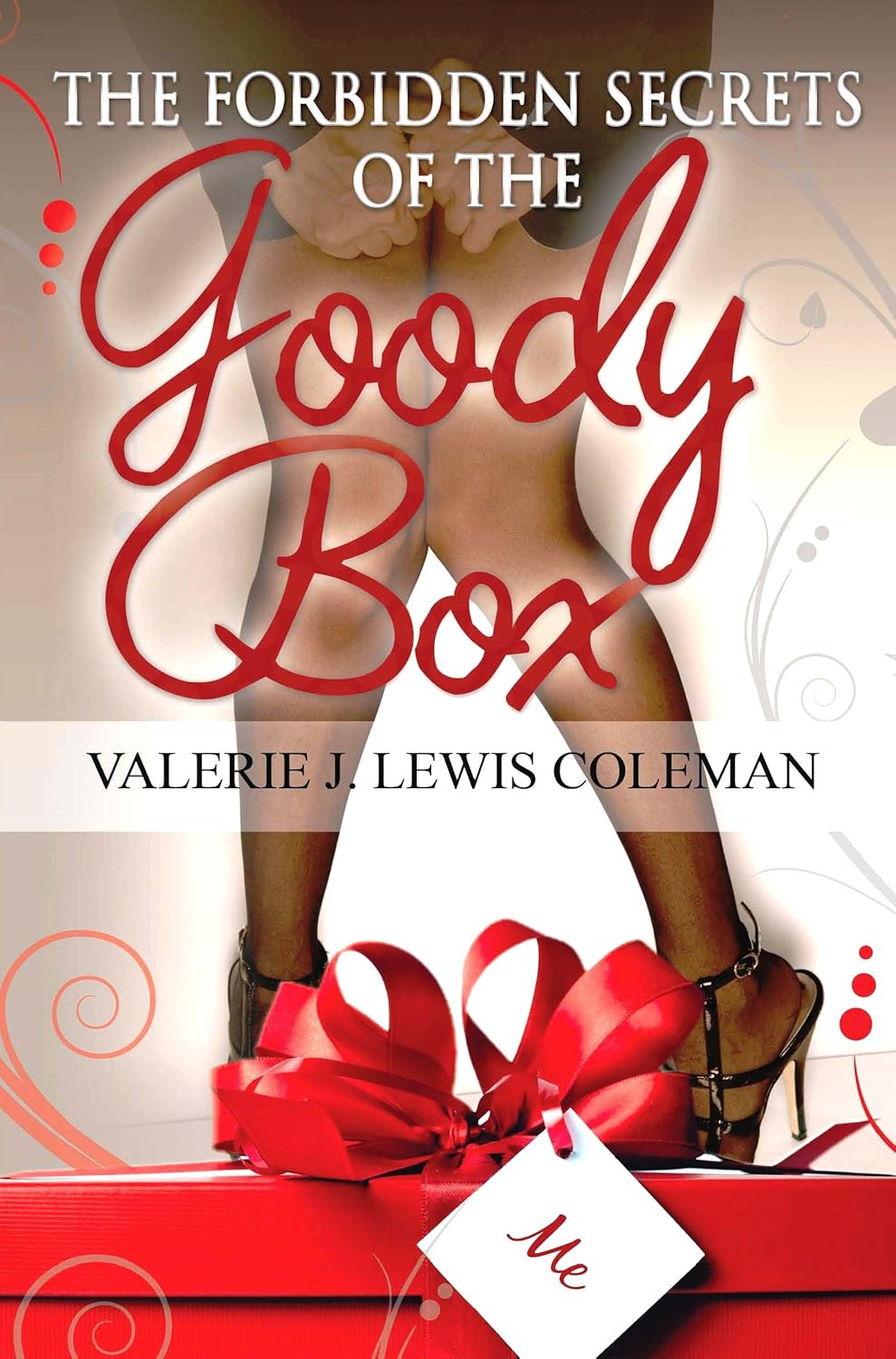
I sat down for a telephone interview with Valerie J. Lewis Coleman, relationship expert, author, and publisher.

During this interview, we discussed Valerie's book "The Forbidden Secrets of the Goody Box."

We also discussed Valerie's dating advice for single hetero ladies, including factors that lead to terrible relationships decisions, when you know you've met the "one", best way to your partner's heart, giving away the "goody box", how to become a "man whisperer", and more. Take a listen below:


You can find out more about Valerie, her book, and advice at valeriejlcoleman.com.

Bonus EP 17 Interview: Valerie J. Lewis Coleman, "Man Whisperer"

Just because the episode's over, doesn't mean the conversation has to end. I'm releasing two bonus interviews I did for for Episode #17: The (Not Always) Love Game. This is the second interview. You can find the first interview here.

***

By Emily Tan [CC-BY-2.0], via Wikimedia Commons

www.amazon.com
I sat down for a telephone interview with Valerie J. Lewis Coleman, relationship expert, author, and publisher.

During this interview, we discussed Valerie's book "The Forbidden Secrets of the Goody Box."

We also discussed Valerie's dating advice for single hetero ladies, including factors that lead to terrible relationships decisions, when you know you've met the "one", best way to your partner's heart, giving away the "goody box", how to become a "man whisperer", and more. Take a listen below:


You can find out more about Valerie, her book, and advice at valeriejlcoleman.com.
Just because the episode's over, doesn't mean the conversation has to end. I'm releasing two bonus interviews I did for for Episode #17: The (Not Always) Love Game. This is the first interview. You can find the second interview here.

***

By See-ming Lee [CC BY-SA-2.0], via Wikimedia Commons

www.amazon.com
I conducted a Skype call interview with Mr. Locario, "the bad boy of the dating game." Mr. Locario is a dating and relationship coach, and the author of several books, including the critically acclaimed "How to Have Sex with 2 Women a Day."

(Don't worry ladies - as you'll hear in the interview, Mr. Locario also thinks a woman should be able to have sex with as many partners as she wants without censure and shame, too.)

During the interview, we discussed some of his teachings and books, as well as some topics from TVP Episode #17: The (Not Always) Love Game, including: open relationships, long distance dating, and infidelity. Mr. Locario offered some really great insight; take a listen below:


You can find out more about Mr. Locario, his books, and coaching at mrlocario.com.

Bonus EP 17 Interview: Mr. Locario, "the Bad Boy of the Dating Game"

Just because the episode's over, doesn't mean the conversation has to end. I'm releasing two bonus interviews I did for for Episode #17: The (Not Always) Love Game. This is the first interview. You can find the second interview here.

***

By See-ming Lee [CC BY-SA-2.0], via Wikimedia Commons

www.amazon.com
I conducted a Skype call interview with Mr. Locario, "the bad boy of the dating game." Mr. Locario is a dating and relationship coach, and the author of several books, including the critically acclaimed "How to Have Sex with 2 Women a Day."

(Don't worry ladies - as you'll hear in the interview, Mr. Locario also thinks a woman should be able to have sex with as many partners as she wants without censure and shame, too.)

During the interview, we discussed some of his teachings and books, as well as some topics from TVP Episode #17: The (Not Always) Love Game, including: open relationships, long distance dating, and infidelity. Mr. Locario offered some really great insight; take a listen below:


You can find out more about Mr. Locario, his books, and coaching at mrlocario.com.

Sunday, February 9, 2014

Since Valentine's Day is coming up, I sat down to do a Skype call interview with Suzanne Casamento, founder of the Fantasy Dating Game.

www.fantasydatinggame.com
The Fantasy Dating Game is not virtual dating nor is it an online dating website; it's a tool to make friends with other singles and motivate each other to get off the couch, put down the phone, and talk to more people you encounter as you go about your day.

If you're on your phone, zoning out to tunes on your iPod, or in any other way glued to the glowing screen of your gadgets, you're missing out on who's around you. And that's part of what inspired Suzanne to create Fantasy Dating; Fantasy Dating is a dare, of sorts, to get you to be more observant and interact with people around you.

During the interview, Suzanne and I discussed the rules of the game, who can play, where and how to find more dates, and more. It was a really awesome interview, and you can listen to it here:


Speaking with Suzanne and learning about her game has inspired me to issue my own dare to single readers/listeners:

I'm daring you to talk to someone new every day this week.

That hottie in the elevator? Why not say "hi" and do a little flirting? If he or she is single, you might even walk away with his or her digits and a date.

Or that cutie in your yoga class? Introduce yourself and ask him or her out for lunch after class. Might not lead to romance, but hey you may make a new friend.

And so on. Just unplug, be observant of your surroundings, and put yourself out there. You never know where you'll find love, friendship, or both.

****

You can find more about the Fantasy Dating Game at www.fantasydatinggame.com. You can also follow them on Twitter @fantasydaters.

And if you're curious about the promo video Suzanne and I discussed during the interview, you can watch it below:

Exclusive Teaser Interview for EP 17: Fantasy Dating

Since Valentine's Day is coming up, I sat down to do a Skype call interview with Suzanne Casamento, founder of the Fantasy Dating Game.

www.fantasydatinggame.com
The Fantasy Dating Game is not virtual dating nor is it an online dating website; it's a tool to make friends with other singles and motivate each other to get off the couch, put down the phone, and talk to more people you encounter as you go about your day.

If you're on your phone, zoning out to tunes on your iPod, or in any other way glued to the glowing screen of your gadgets, you're missing out on who's around you. And that's part of what inspired Suzanne to create Fantasy Dating; Fantasy Dating is a dare, of sorts, to get you to be more observant and interact with people around you.

During the interview, Suzanne and I discussed the rules of the game, who can play, where and how to find more dates, and more. It was a really awesome interview, and you can listen to it here:


Speaking with Suzanne and learning about her game has inspired me to issue my own dare to single readers/listeners:

I'm daring you to talk to someone new every day this week.

That hottie in the elevator? Why not say "hi" and do a little flirting? If he or she is single, you might even walk away with his or her digits and a date.

Or that cutie in your yoga class? Introduce yourself and ask him or her out for lunch after class. Might not lead to romance, but hey you may make a new friend.

And so on. Just unplug, be observant of your surroundings, and put yourself out there. You never know where you'll find love, friendship, or both.

****

You can find more about the Fantasy Dating Game at www.fantasydatinggame.com. You can also follow them on Twitter @fantasydaters.

And if you're curious about the promo video Suzanne and I discussed during the interview, you can watch it below:

Friday, February 7, 2014

Just because the episode's over, doesn't mean the conversation has to end. I'm releasing some bonus content for Episode #16: Scandal-ous TV.

By Qurren (Qurren's file) [CC-BY-SA-3.0], via Wikimedia Commons

***

EP 16 Extra: Reality TV's Gender Balance?

The conversation from Episode #16: Scandal-ous TV was so good that I had a hard time editing it down. This is a short clip that did not make it into the final cut - of our discussion on reality TV's gender balance. The article we reference during this discussion is off our Link List, "Working Women On Television: A Mixed Bag At Best" from npr.org.


EP 16 Extra: Interview with Bryan McClure

I also sat down for a Skype interview with actor Bryan McClure. We discussed the Space Command franchise as well as Bryan's other projects, including an upcoming webseries. Bryan also shared some advice and a great book recommendation for aspiring actors. You can find out more about Space Command at the project's official website: spacecommandmovie.com. For more info on Bryan, check out his imdb page and his website, bryanmcclure.net.

Exclusive Bonus EP 16 Content: The Extras

Just because the episode's over, doesn't mean the conversation has to end. I'm releasing some bonus content for Episode #16: Scandal-ous TV.

By Qurren (Qurren's file) [CC-BY-SA-3.0], via Wikimedia Commons

***

EP 16 Extra: Reality TV's Gender Balance?

The conversation from Episode #16: Scandal-ous TV was so good that I had a hard time editing it down. This is a short clip that did not make it into the final cut - of our discussion on reality TV's gender balance. The article we reference during this discussion is off our Link List, "Working Women On Television: A Mixed Bag At Best" from npr.org.


EP 16 Extra: Interview with Bryan McClure

I also sat down for a Skype interview with actor Bryan McClure. We discussed the Space Command franchise as well as Bryan's other projects, including an upcoming webseries. Bryan also shared some advice and a great book recommendation for aspiring actors. You can find out more about Space Command at the project's official website: spacecommandmovie.com. For more info on Bryan, check out his imdb page and his website, bryanmcclure.net.

Friday, November 22, 2013

As a chaser to Episode #05 Sex (The Other Kind of Getting Physical), Zoe Grimm interviewed KC, an indie porn director, via Skype chat. (Notes from Zoe: Skype audio sucks! Apologies. Also, the article we discussed during the interview was "Would You Sleep With a Porn Star? No, Like, For Real?" on XoJane.com.)


Episode #05 Chaser Interview

As a chaser to Episode #05 Sex (The Other Kind of Getting Physical), Zoe Grimm interviewed KC, an indie porn director, via Skype chat. (Notes from Zoe: Skype audio sucks! Apologies. Also, the article we discussed during the interview was "Would You Sleep With a Porn Star? No, Like, For Real?" on XoJane.com.)


Friday, November 1, 2013

As a chaser to Episode #02 Sports, Snorts, and even Cohorts, Kit Bangles interviewed Jessica M., who worked as a court-side reporter in the Philippines.


Episode #02 Chaser Interview

As a chaser to Episode #02 Sports, Snorts, and even Cohorts, Kit Bangles interviewed Jessica M., who worked as a court-side reporter in the Philippines.