Showing posts with label episodes11to20. Show all posts

Sunday, March 16, 2014

We’re still a tad hungover on our domestic violence discussion from Episode #20: Busting Bullies, Batterers, and…Barbie?

Who wouldn’t be? As our own Zoe Grimm commented during her hangover post, we should all “be outraged that such violence happens to anyone (regardless of race, age, gender, orientation, etc.) and that there are many victims who don't/can't get the help they need to leave and recover from such abuses.” But as Zoe also said, it’s important to channel that outrage into something meaningful.

We were inspired to speak with someone who's received much praise for her works on domestic violence awareness: journalist Megan Hussey. Here’s a transcript of our interview:

TVP: Hi Megan, we’re so glad to be speaking with you today. We’d love to hear more about what inspired you to explore and write about domestic violence awareness.

MH: It’s something that I’ve always been passionate about. I unfortunately lost a member of my family to domestic violence, when I was young. So to me it wasn’t a choice to write about this. I just became very committed at a young age to help out. In college I coordinated ‘Take Back the Night’ marches, and I was a member of a feminist group. When I was out of college, I actually did an article for my hometown newspaper about a domestic violence shelter in my area. And after the article, I got a call from the executive director and she told me that my story really helped people, they received so many phone calls from people seeking help and wanting to help the shelter out. That’s when I knew that this was really my calling, this was a way to use my talents to really make a difference.

TVP: What organizations are you currently working with (on domestic violence awareness)?

MH: I work quite a bit with the Sunrise of Pasco domestic violence and sexual assault center. I just covered a One Billion Rising march, and for stage they’re going to be doing Vagina Monologues in a few weeks - so yeah, I’m very lucky to be working with an agency that’s doing so many wonderful things. And a couple of years ago they gave me a certificate honoring the stories that I’d done; I was very honored.

TVP: That’s so awesome!

MH: Why thank you.

TVP: During EP#20, we covered a range of abuse-related topics. With regards to domestic violence, why do you think so many smart women and men end up in those situations and with those people (batterers)?

MH: I think there’s several different reasons. For one thing, if they were raised in an abusive household and if they saw that kind of conduct go on - then that’s normal to them. They don’t see an abuser as someone with a problem. So that pattern is set for their life, and if they don’t get educated on how wrong it is, they later will seek out abusive relationships (either as the abuser or to be abused by someone else). And I think another reason is that women today, and even some men but it’s mostly women, are conditioned to be martyrs and saviors. We’re the ones who are supposed to fix everything, especially in intimate relationships. If something’s going wrong, we feel like we have to do everything we can to make our partners happy, to make the kids happy, for the good of the family, and so on. So if a woman is in an abusive relationship, she may feel compelled to try to save her abuser. And unfortunately she can’t do that; the only way that person can be helped is through professional intervention.

TVP: Let’s say someone finds herself in an abusive relationship. Maybe she’s aware of how wrong the situation is, maybe she’s been in denial but someone else has confronted her about it and pleaded with her to get help. Do you think then that the first step would be to seek professional help?

MH: Yes, and I think also the very first step is to get out of the situation. Statistically, a woman is more likely to be murdered or severely injured when she’s trying to get out. So my first advice to anyone is: the moment you recognize that you’re in an abusive relationship, just leave and FAST. Even if you have to do so quietly, even if you can’t take any of your possessions with you. Shelters have toiletries, clothing, food, etc. The only thing you need is you and, if you have kids, them, too. And don’t go back for any reason. The second step would be to seek help, counseling and/or police intervention, if you decide to bring charges against your attacker. After leaving an abusive situation, you need to take care of yourself; you can’t just go on from a situation like that and expect to just go on with your life.

TVP: Why do you think some people have a ‘bystander’ mentality when they see violence happen around them? Why don’t more people intervene when they see someone threaten, hit, or otherwise behave violently towards his or her partner?

MH: I’m very glad you brought that up, because that’s one of the things they emphasize at Sunrise. When a woman is murdered or her abused by her husband, many times people will say “oh, I never would have guessed [that] about them.” But really, if they looked at their history and what they saw with this couple, then that’s probably not true. The signs could be anything from overt, like someone shoving or grabbing his partner at a party, to subtle (but still belligerent and disrespectful) behavior, like someone insulting his partner. Also, if someone notices a woman ill at ease, nervous, around her husband, that’s a big sign right there that something is not right between them. I think people are afraid to get involved because they see it as a private matter, between the couple. Like it’s none of their business. But it is their business, because a crime is being committed. If someone saw a little old lady being mugged, would they shrug and say ‘oh I’ll just let her work that out’? Hopefully none of us would do that. And we have to start doing that with domestic violence, too, because it’s just as much of a crime and if no one helps out, it increases the likelihood that the victim won’t survive.

TVP: What about for people who don’t want to be just bystanders? There may be the case where a family member, friend, colleague, etc. wants to help someone who’s being abused, but the victim tells him or her not to get involved or that she doesn’t need their help. What should they do?

MH: It’s certainly a complex problem. The standard in society is that you can only help someone who wants to be helped, you can only save someone who wants to be saved. That’s true in many situations, but in the case of domestic abuse, if the victim says something along the lines of “I don’t need help” or “back off,” they’re probably feeling pressured to say that (by their abuser). They may be threatened, like “don’t you ever tell anyone about us,” with the implication that if they do, then it’s going to get worse. You have to treat it like you would hostages, who might say “oh they’re treating me very well” - of course they’d say that, they’re afraid of what may happen if they told the truth or if they tried to escape. I think for someone who wants to help someone who’s in an abusive relationship, the best thing to do would be to contact a local shelter and ask for advice. Talk to friends and family members, people who know the abused person, and get others involved. Or you can also call the police; it’s like the case with the mugger, if you know a crime has been committed then you also know something has to be done.

TVP: Agreed, the whole ‘staying out of it’ approach is wrong.

MH: Yes, because it hurts not only the victim but also the bystander. Because if anything happens to the victim (like she’s murdered, paralyzed after an attack, etc.), then the bystander has to live with that guilt for the rest of his or her life: I could have done something, but I didn’t.

TVP: Absolutely. Thank you so much Megan for taking the time to speak with us.

MH: Thank you. I think it’s wonderful that you ladies are discussing this topic. The more aware everyone is, the better we’ll all be. Take care!

*****

To learn more about domestic violence awareness, we highly recommend you check out Megan Hussey's works, including:

Hungover on Episode #20 and Busting Batterers

We’re still a tad hungover on our domestic violence discussion from Episode #20: Busting Bullies, Batterers, and…Barbie?

Who wouldn’t be? As our own Zoe Grimm commented during her hangover post, we should all “be outraged that such violence happens to anyone (regardless of race, age, gender, orientation, etc.) and that there are many victims who don't/can't get the help they need to leave and recover from such abuses.” But as Zoe also said, it’s important to channel that outrage into something meaningful.

We were inspired to speak with someone who's received much praise for her works on domestic violence awareness: journalist Megan Hussey. Here’s a transcript of our interview:

TVP: Hi Megan, we’re so glad to be speaking with you today. We’d love to hear more about what inspired you to explore and write about domestic violence awareness.

MH: It’s something that I’ve always been passionate about. I unfortunately lost a member of my family to domestic violence, when I was young. So to me it wasn’t a choice to write about this. I just became very committed at a young age to help out. In college I coordinated ‘Take Back the Night’ marches, and I was a member of a feminist group. When I was out of college, I actually did an article for my hometown newspaper about a domestic violence shelter in my area. And after the article, I got a call from the executive director and she told me that my story really helped people, they received so many phone calls from people seeking help and wanting to help the shelter out. That’s when I knew that this was really my calling, this was a way to use my talents to really make a difference.

TVP: What organizations are you currently working with (on domestic violence awareness)?

MH: I work quite a bit with the Sunrise of Pasco domestic violence and sexual assault center. I just covered a One Billion Rising march, and for stage they’re going to be doing Vagina Monologues in a few weeks - so yeah, I’m very lucky to be working with an agency that’s doing so many wonderful things. And a couple of years ago they gave me a certificate honoring the stories that I’d done; I was very honored.

TVP: That’s so awesome!

MH: Why thank you.

TVP: During EP#20, we covered a range of abuse-related topics. With regards to domestic violence, why do you think so many smart women and men end up in those situations and with those people (batterers)?

MH: I think there’s several different reasons. For one thing, if they were raised in an abusive household and if they saw that kind of conduct go on - then that’s normal to them. They don’t see an abuser as someone with a problem. So that pattern is set for their life, and if they don’t get educated on how wrong it is, they later will seek out abusive relationships (either as the abuser or to be abused by someone else). And I think another reason is that women today, and even some men but it’s mostly women, are conditioned to be martyrs and saviors. We’re the ones who are supposed to fix everything, especially in intimate relationships. If something’s going wrong, we feel like we have to do everything we can to make our partners happy, to make the kids happy, for the good of the family, and so on. So if a woman is in an abusive relationship, she may feel compelled to try to save her abuser. And unfortunately she can’t do that; the only way that person can be helped is through professional intervention.

TVP: Let’s say someone finds herself in an abusive relationship. Maybe she’s aware of how wrong the situation is, maybe she’s been in denial but someone else has confronted her about it and pleaded with her to get help. Do you think then that the first step would be to seek professional help?

MH: Yes, and I think also the very first step is to get out of the situation. Statistically, a woman is more likely to be murdered or severely injured when she’s trying to get out. So my first advice to anyone is: the moment you recognize that you’re in an abusive relationship, just leave and FAST. Even if you have to do so quietly, even if you can’t take any of your possessions with you. Shelters have toiletries, clothing, food, etc. The only thing you need is you and, if you have kids, them, too. And don’t go back for any reason. The second step would be to seek help, counseling and/or police intervention, if you decide to bring charges against your attacker. After leaving an abusive situation, you need to take care of yourself; you can’t just go on from a situation like that and expect to just go on with your life.

TVP: Why do you think some people have a ‘bystander’ mentality when they see violence happen around them? Why don’t more people intervene when they see someone threaten, hit, or otherwise behave violently towards his or her partner?

MH: I’m very glad you brought that up, because that’s one of the things they emphasize at Sunrise. When a woman is murdered or her abused by her husband, many times people will say “oh, I never would have guessed [that] about them.” But really, if they looked at their history and what they saw with this couple, then that’s probably not true. The signs could be anything from overt, like someone shoving or grabbing his partner at a party, to subtle (but still belligerent and disrespectful) behavior, like someone insulting his partner. Also, if someone notices a woman ill at ease, nervous, around her husband, that’s a big sign right there that something is not right between them. I think people are afraid to get involved because they see it as a private matter, between the couple. Like it’s none of their business. But it is their business, because a crime is being committed. If someone saw a little old lady being mugged, would they shrug and say ‘oh I’ll just let her work that out’? Hopefully none of us would do that. And we have to start doing that with domestic violence, too, because it’s just as much of a crime and if no one helps out, it increases the likelihood that the victim won’t survive.

TVP: What about for people who don’t want to be just bystanders? There may be the case where a family member, friend, colleague, etc. wants to help someone who’s being abused, but the victim tells him or her not to get involved or that she doesn’t need their help. What should they do?

MH: It’s certainly a complex problem. The standard in society is that you can only help someone who wants to be helped, you can only save someone who wants to be saved. That’s true in many situations, but in the case of domestic abuse, if the victim says something along the lines of “I don’t need help” or “back off,” they’re probably feeling pressured to say that (by their abuser). They may be threatened, like “don’t you ever tell anyone about us,” with the implication that if they do, then it’s going to get worse. You have to treat it like you would hostages, who might say “oh they’re treating me very well” - of course they’d say that, they’re afraid of what may happen if they told the truth or if they tried to escape. I think for someone who wants to help someone who’s in an abusive relationship, the best thing to do would be to contact a local shelter and ask for advice. Talk to friends and family members, people who know the abused person, and get others involved. Or you can also call the police; it’s like the case with the mugger, if you know a crime has been committed then you also know something has to be done.

TVP: Agreed, the whole ‘staying out of it’ approach is wrong.

MH: Yes, because it hurts not only the victim but also the bystander. Because if anything happens to the victim (like she’s murdered, paralyzed after an attack, etc.), then the bystander has to live with that guilt for the rest of his or her life: I could have done something, but I didn’t.

TVP: Absolutely. Thank you so much Megan for taking the time to speak with us.

MH: Thank you. I think it’s wonderful that you ladies are discussing this topic. The more aware everyone is, the better we’ll all be. Take care!

*****

To learn more about domestic violence awareness, we highly recommend you check out Megan Hussey's works, including:

Monday, March 10, 2014

Just because the episode's over, doesn't mean the cultural conversation has to end.

image via lori-jean
The ladies of The Vodka Press sat down to interview Lori Jean - a musician, advocate for women (esp. women who have suffered from abuse), and survivor of a truly heartbreaking abuse herself. Lori Jean draws inspiration from her own past trauma as well as from the issues of others, turning them into beautiful music.

You can listen to the interview below:


To find out more about Lori Jean, you can visit her website lori-jean.com. You can listen to one of Lori Jean's songs here; to find more, visit her iTunes page.

Episode #20 Bonus Interview w/ Lori Jean, Musician and Survivor

Just because the episode's over, doesn't mean the cultural conversation has to end.

image via lori-jean
The ladies of The Vodka Press sat down to interview Lori Jean - a musician, advocate for women (esp. women who have suffered from abuse), and survivor of a truly heartbreaking abuse herself. Lori Jean draws inspiration from her own past trauma as well as from the issues of others, turning them into beautiful music.

You can listen to the interview below:


To find out more about Lori Jean, you can visit her website lori-jean.com. You can listen to one of Lori Jean's songs here; to find more, visit her iTunes page.

Friday, March 7, 2014

During EP#20, I recommended three TVP Jell-O shots: Bully Belly Buster, Survive & Thrive, and The Power Girl.

To lighten the mood this week, I created Jell-O Shots. I had a fun time mixing up the shots, perhaps too much fun since I actually created over a dozen recipes - but I narrowed it down to my top three favorites. See the bottom of this post for directions on how to make Jello-Shots.

Bully Belly Buster
By gammaman on Flickr (CC BY 2.0)
  Survive & Thrive
  • 1 3-oz package unflavored gelatin
  • 1 cup boiling water
  • 3 oz whiskey
  • 1 oz cinnamon schnapps liqueur
  • 1/2 oz ginger flavored brandy
  • 1/4 cup cold water
  • 1 or 2 Red Hots candy (for the bottom of each cup, see further below)
Power Girl (a 3-layered shot)
Layer 1:
Layer 2:
  • 1 3-oz package unflavored gelatin
  • 1 cup boiling water
  • 4 oz vodka
  • 1/2 cup cold water
Layer 3: 

Jell-O Shots Galore!!!
How to Make a Basic Jell-O Shot:
  • Combine the liquor(s) and the cold water in a bowl, then refrigerate the mixture.
  • Pour the gelatin into a bowl and add in the boiling water, stirring until the gelatin is dissolved. 
  • Now remove the liquor-water from the refrigerator and mix it into your gelatin. 
  • If you plan to add in any candy, as per the Survive & Thrive, you can add it to the bottom of the plastic shot glasses before proceeding to the next step.
  • Pour the gelatin mixture into plastic shot cups, then refrigerate it until the liquid is set. I recommend you let the shots set overnight, but they should be good to go within 3 to 4 hours.
  • Don't forget to serve these shots cold! (Room temperature Jell-O shots? Ick!)
How to Make a Layered Jell-O Shot:
  • For a 3 layered shot (like The Power Girl): Make the first layer of the Jell-O shot (see above instructions) and fill the cups 1/3 of the way full. Refrigerate the cups for 1 to 1.5 hours or until mostly set. Mix up the second layer and add it to the cups. Return the cups to the refrigerator and repeat the previous steps. Once done adding in the third layer, I highly recommend you let the shots set in the refrigerator for at least 4 hours before serving.
  • If you wanted to do a 2 layered shot: Fill the cups 1/2 of the way full with the first layer, let them chill the 1 to 1.5 hours or until mostly set, then mix up and add the second layer to the cups. Return the cups to the refrigerator and, as I said above, let the shots set at least 4 hours before serving.

Drink Recipes for Episode #20: Bully Belly Buster, Survive & Thrive,and The Power Girl

During EP#20, I recommended three TVP Jell-O shots: Bully Belly Buster, Survive & Thrive, and The Power Girl.

To lighten the mood this week, I created Jell-O Shots. I had a fun time mixing up the shots, perhaps too much fun since I actually created over a dozen recipes - but I narrowed it down to my top three favorites. See the bottom of this post for directions on how to make Jello-Shots.

Bully Belly Buster
By gammaman on Flickr (CC BY 2.0)
  Survive & Thrive
  • 1 3-oz package unflavored gelatin
  • 1 cup boiling water
  • 3 oz whiskey
  • 1 oz cinnamon schnapps liqueur
  • 1/2 oz ginger flavored brandy
  • 1/4 cup cold water
  • 1 or 2 Red Hots candy (for the bottom of each cup, see further below)
Power Girl (a 3-layered shot)
Layer 1:
Layer 2:
  • 1 3-oz package unflavored gelatin
  • 1 cup boiling water
  • 4 oz vodka
  • 1/2 cup cold water
Layer 3: 

Jell-O Shots Galore!!!
How to Make a Basic Jell-O Shot:
  • Combine the liquor(s) and the cold water in a bowl, then refrigerate the mixture.
  • Pour the gelatin into a bowl and add in the boiling water, stirring until the gelatin is dissolved. 
  • Now remove the liquor-water from the refrigerator and mix it into your gelatin. 
  • If you plan to add in any candy, as per the Survive & Thrive, you can add it to the bottom of the plastic shot glasses before proceeding to the next step.
  • Pour the gelatin mixture into plastic shot cups, then refrigerate it until the liquid is set. I recommend you let the shots set overnight, but they should be good to go within 3 to 4 hours.
  • Don't forget to serve these shots cold! (Room temperature Jell-O shots? Ick!)
How to Make a Layered Jell-O Shot:
  • For a 3 layered shot (like The Power Girl): Make the first layer of the Jell-O shot (see above instructions) and fill the cups 1/3 of the way full. Refrigerate the cups for 1 to 1.5 hours or until mostly set. Mix up the second layer and add it to the cups. Return the cups to the refrigerator and repeat the previous steps. Once done adding in the third layer, I highly recommend you let the shots set in the refrigerator for at least 4 hours before serving.
  • If you wanted to do a 2 layered shot: Fill the cups 1/2 of the way full with the first layer, let them chill the 1 to 1.5 hours or until mostly set, then mix up and add the second layer to the cups. Return the cups to the refrigerator and, as I said above, let the shots set at least 4 hours before serving.
Kit Bangles's Wicked Find for this week's EP is She Said "No"‬ - Sexual Assault Awareness Spoken Word‬.

By Horia Varlan [CC-BY-2.0], via Wikimedia Commons

This is a must-watch video:

Wicked Find for Episode #20: ‪She Said "No"‬ - Sexual Assault Awareness Spoken Word‬

Kit Bangles's Wicked Find for this week's EP is She Said "No"‬ - Sexual Assault Awareness Spoken Word‬.

By Horia Varlan [CC-BY-2.0], via Wikimedia Commons

This is a must-watch video:

dosomething.org has a great list of facts and statistics about cyber bullying: out of the 11 (you can check out the full list here), these are my top five...(err..not so favorite) favorite facts.

Straight From dosomething.org:  

"Cyber bullying" is defined as a young person tormenting, threatening, harassing, or embarrassing another young person using the Internet or other technologies, like cell phones. The psychological and emotional outcomes of cyber bullying are similar to those of real-life bullying. The difference is, real-life bullying often ends when school ends. For cyber bullying, there is no escape. And, it’s getting worse. Read on to get the facts.

#5. 81% of young people think bullying people online is easier to get away with then bullying in person

#4. 68% of teenagers agree that cyber bullying is a serious problem

#3. 70% of students report seeing frequent online bullying

#2. Girls are twice as likely to be victims and perpetrators of online bullying than boys

#1. Bullying victims are 2 to 9 times more likely to consider suicide

Top Five For Episode #20: 5 Statistics from dosomething.org's CyberBullying Article

dosomething.org has a great list of facts and statistics about cyber bullying: out of the 11 (you can check out the full list here), these are my top five...(err..not so favorite) favorite facts.

Straight From dosomething.org:  

"Cyber bullying" is defined as a young person tormenting, threatening, harassing, or embarrassing another young person using the Internet or other technologies, like cell phones. The psychological and emotional outcomes of cyber bullying are similar to those of real-life bullying. The difference is, real-life bullying often ends when school ends. For cyber bullying, there is no escape. And, it’s getting worse. Read on to get the facts.

#5. 81% of young people think bullying people online is easier to get away with then bullying in person

#4. 68% of teenagers agree that cyber bullying is a serious problem

#3. 70% of students report seeing frequent online bullying

#2. Girls are twice as likely to be victims and perpetrators of online bullying than boys

#1. Bullying victims are 2 to 9 times more likely to consider suicide

Friday, February 28, 2014

During EP#19, I recommended two TVP cocktail concoctions: The Frisky Hummingbird and The Cheers To Your Health.

Both Kit and Karly issued a challenge to me this week: make a pink cocktail that features whiskey. At first, I admit I was terrified - because pink whiskey drinks, really ladies?! - but then I discovered Bully Boy Distillers White Whiskey. It truly is like a "stiffer" vodka, perfect for mixed drinks.

The Frisky Hummingbird
By Steve Berardi [CC-BY-SA-2.0], via Wikimedia Commons

The Cheers To Your Health
*Note: You need to make the cardamom simple syrup well in advance. Here's how: Bring 1/2 cup of water and 1/8 cup of whole cardamom to a boil. Once it's boiling, add in 1 cup of whiter sugar and stir until the sugar's dissolved, then remove the mixture from the heat and let it cool. You'll then need to store the mixture in a container and refrigerate it for 2 to 3 days. Before using the simple syrup, you need to remove the cardamom.

Drink Recipes for Episode #19: Frisky Hummingbird and The Cheers To Your Health

During EP#19, I recommended two TVP cocktail concoctions: The Frisky Hummingbird and The Cheers To Your Health.

Both Kit and Karly issued a challenge to me this week: make a pink cocktail that features whiskey. At first, I admit I was terrified - because pink whiskey drinks, really ladies?! - but then I discovered Bully Boy Distillers White Whiskey. It truly is like a "stiffer" vodka, perfect for mixed drinks.

The Frisky Hummingbird
By Steve Berardi [CC-BY-SA-2.0], via Wikimedia Commons

The Cheers To Your Health
*Note: You need to make the cardamom simple syrup well in advance. Here's how: Bring 1/2 cup of water and 1/8 cup of whole cardamom to a boil. Once it's boiling, add in 1 cup of whiter sugar and stir until the sugar's dissolved, then remove the mixture from the heat and let it cool. You'll then need to store the mixture in a container and refrigerate it for 2 to 3 days. Before using the simple syrup, you need to remove the cardamom.
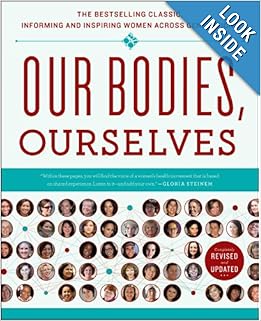
Kit Bangles's Wicked Find for this week's EP is Our Bodies, Ourselves, by Boston Women's Health Book Collective, Inc. (ourbodiesourselves.org).

www.amazon.com
The summary from ourbodiesourselves.org:
For over forty years "Our Bodies, Ourselves" has provided readers with indispensable information on women’s health and sexuality...includes dozens of personal stories and essential, up-to-date information about gender identity, sexual orientation, birth control, abortion, pregnancy and birth, perimenopause, menopause, health issues such as breast and ovarian cancers, and sexuality and sexual health as we age.

You can see the book's table of contents and read excerpts on ourbodiesourselves.org. To purchase the book, head over to amazon.com.

Wicked Find for Episode #19: Our Bodies, Ourselves

Kit Bangles's Wicked Find for this week's EP is Our Bodies, Ourselves, by Boston Women's Health Book Collective, Inc. (ourbodiesourselves.org).

www.amazon.com
The summary from ourbodiesourselves.org:
For over forty years "Our Bodies, Ourselves" has provided readers with indispensable information on women’s health and sexuality...includes dozens of personal stories and essential, up-to-date information about gender identity, sexual orientation, birth control, abortion, pregnancy and birth, perimenopause, menopause, health issues such as breast and ovarian cancers, and sexuality and sexual health as we age.

You can see the book's table of contents and read excerpts on ourbodiesourselves.org. To purchase the book, head over to amazon.com.

Episode #19: The Link List

This week I was shocked to find out just how much women are at risk for stroke and heart disease. Quick and easy - My top five this week are tips to prevent stroke and heart disease.

#5 - Take responsibility for your own health and seek to educate yourself - the best way to prevent something from happening is to understand why it could happen and what your best options are for preventing it from happening.

www.marilushow.com
#4 - Don't smoke or expose yourself to second hand smoke - There is overwhelming evidence that cigarette smoking and second-hand smoke increases the risks of heart disease, lung disease, peripheral vascular disease and stroke.

#3 - Limit your calories - Fad diets don't work. I think we can all easily agree on that one. However, portion size in America has increased dramatically and with it, so has the calorie count of our meals. The obesity rate in America is a cause for concern and is the leading cause of diabetes which is a cardiovascular disease and can contribute to the risk of stroke and heart attack. Use portion control, limit soda - (1 soda or sugary beverage a day increases women's risk of stroke and heart attack by 83%), drink more water, and stop eating when you are full.

#2 -  Seek ways to reduce your stress - Stress is one of the leading contributors to heart disease and stroke. You can reduce stress by seeking to balance your work/home life, seek to have good relationships, get a good nights sleep, find things that make you laugh, and understand why certain situations make you anxious.

#1 - Make exercise a daily habit - The best thing you can do for yourself is to get a good exercise regimen going. Studies show that walking 2 miles a day is good for optimal health. Exercise is for more than burning calories - it activates genes that are beneficial to health in other ways. Plus, exercise is also great for treating anxiety and depression (which can be major stress causers).

Episode #19 Top Five : Top Five Ways To Prevent Stroke and Heart Attack

This week I was shocked to find out just how much women are at risk for stroke and heart disease. Quick and easy - My top five this week are tips to prevent stroke and heart disease.

#5 - Take responsibility for your own health and seek to educate yourself - the best way to prevent something from happening is to understand why it could happen and what your best options are for preventing it from happening.

www.marilushow.com
#4 - Don't smoke or expose yourself to second hand smoke - There is overwhelming evidence that cigarette smoking and second-hand smoke increases the risks of heart disease, lung disease, peripheral vascular disease and stroke.

#3 - Limit your calories - Fad diets don't work. I think we can all easily agree on that one. However, portion size in America has increased dramatically and with it, so has the calorie count of our meals. The obesity rate in America is a cause for concern and is the leading cause of diabetes which is a cardiovascular disease and can contribute to the risk of stroke and heart attack. Use portion control, limit soda - (1 soda or sugary beverage a day increases women's risk of stroke and heart attack by 83%), drink more water, and stop eating when you are full.

#2 -  Seek ways to reduce your stress - Stress is one of the leading contributors to heart disease and stroke. You can reduce stress by seeking to balance your work/home life, seek to have good relationships, get a good nights sleep, find things that make you laugh, and understand why certain situations make you anxious.

#1 - Make exercise a daily habit - The best thing you can do for yourself is to get a good exercise regimen going. Studies show that walking 2 miles a day is good for optimal health. Exercise is for more than burning calories - it activates genes that are beneficial to health in other ways. Plus, exercise is also great for treating anxiety and depression (which can be major stress causers).

Monday, February 24, 2014

We discussed many topics during our self relationship episode, including: losing ourselves in relationships and healing our relationships with ourselves. I learned a lot from the articles we read as well as from the discussion with my fellow TVP ladies; but I still had some questions.

So I decided to sit down and chat with Wendy Spurgeon. Wendy is a certified integrative coach professional, certified hypnotist, reiki practitioner, and ordained minister. She specializes in love and sex addiction, as well as codependency recovery. We discussed her teleconference ("Being Your Favorite Lover Now"), her coaching, losing one's self in relationships, and more.

I originally planned to release this as an audio interview, but no matter how much editing and fiddling I did, the audio was stat-icky. I blame the wind and snow from that evening. But I've transcribed the interview below for everyone, enjoy!

*****

ZG: Hi Wendy. We can keep this a little more conversational, but I'd love to hear more about your recent teleconference, "Being Your Favorite Lover Now." What inspired you to do this and what is it about?

WS: Before, during, and even after Valentine's Day, we're barraged with all this imagery about romantic love. And around this time of year, the suicide rate rise because of that shadow, that kind of pervasive programming of: you should be in a paired relationship, and it should be this passionate, romantic experience. So if you're NOT, then that can bring up a lot of shadow belief that we have about ourselves. "I'm not good enough," "I'm a failure at relationships," "I'm only lovable if I'm perfect, if I'm the right weight or if I look a certain way or if I make a certain amount of money," and so on. And this applies to men and women both. I mean men can feel a lot of pressure to impress, perform, and overspend; and women do, too. They both wonder "am I enough, as I am?" It brings up all these insecurities and some really deep limiting beliefs about ourselves.

Mirror mirror by sic-purity on deviantart.com
WS: So I feel like now's the time to have this conversation, as a society and also with ourselves, about how to be your favorite lover now. When people think about self love, I mean, most wonder "What is that? Do you mean masturbation?" The answer's no, self love is pretty encompassing. And I want to encourage people to work through whatever shadows that they have around sexual expression.

ZG: Self love certainly goes deeper than masturbation. Although I think that's one thing many people struggle with - accepting and feeling okay to talk about intimate, sexual self love.

WS: I agree. You know, I came from a time when sex was just something that wasn't talked about. Or if you're a small child and you're having an innocent moment of sexual self expression, and your parent comes in, there's this shaming moment that happens. That all gets internalized to "Oh this is bad. This feeling that feels so good in my body is wrong, it makes me a bad girl or a bad boy, and it's something I've gotta hide or try to deny or repress." And that can all be the root of problems in our adult lives, whether it's subconscious or you're fully aware of it.

WS: So with teleconference "Being Your Favorite Lover Now" and also within my coaching, I want to help deprogram those limiting beliefs and help people achieve their most joyous sexual and creative expression. During the teleconference, I want to go deeply into helping people uncover their sexuality, sensuality, the shadow of relationships, and the many ways we can give ourselves that love, assurance, acceptance, and pleasure that we wanted from other people - you don't need someone else to give you those, you can give them to yourself.

WS: And it's something even partnered people can benefit from; when you love yourself and "show up fully" for yourself, you can do so for others. You can be available emotionally for them and deepen your bond. It all starts with self love.

ZG: Definitely. One thing we discussed during EP#18 of The Vodka Press was the idea of losing ourselves. That's one of the reasons why we all need to have (and even want to have) discussions on self love. We lose ourselves to our partners, work, family, kids, friends, etc. Self relationships get much more attention in the media nowadays then even when I was growing up - which wasn't THAT long ago. Do you think that we lose ourselves more nowadays, or are we just more cognizant of it, that it's become more acceptable to discuss it?
By PRA [CC-BY-3.0], via Wikimedia Commons

WS: Boy that's such an interesting question. Like I said before, I feel like it is definitely time for these conversations which is why they're happening. If you look back in history, there was this whole move away from the sensual feminine and towards patriarchy. So there's cultural beliefs about what we can be and what we cannot be based on our status, gender, etc.

ZG: So based off our history as a society?

WS: And based off our personal histories. Losing ourselves is something that happens almost immediately at birth. When we're born, we're complete and we only have two fears: loud noises and falling. Those are the only ones we're born with, the rest are taught to us either purposefully or unconsciously by watching the world around us. You learn what your identity is and it's a pretty small sliver of what you're actually born with.

WS: Losing yourself is something that, looking at it from the other side, we're coming to a point in our lives that we're maturing and we're realizing that there's so much of ourselves that we're not even acknowledging. It's an unconscious thing, and we've been basically doing it our whole lives. So the process of uncovering and embracing the different parts of who we are is like reclaiming ourselves. People are lost already, by a certain age, and by reclaiming ourselves we're moving back to that original wholeness. That wholeness has been there the entire time, it's not like it went anywhere - we haven't actually lost ourselves, we just forgot it.

ZG: That's a good way to look at it. We forget ourselves or parts of ourselves as we go.

WS: Exactly. And when you start to remember who you are, when you start acknowledging those parts of yourself that you lost touch with, it can be daunting. Because then you have no more excuses. You know what I mean? Now you've got to take responsibility and stand up for who you really are.

ZG: When people come to you for coaching, do you they come to you with issues about disconnect from career or mostly interpersonal/romantic relationships?

WS: People come to me with all different life issues. When someone first comes in, we figure out their goal and set up milestones to help them achieve it; there's definitely steps to get from point A to point B. But what often happens is someone will come in thinking they're there or they need help for one thing, and what we discover is everything is connected. For example, someone may come in with a desire to stop overeating and he uncovers that he does it to self-medicate because he's running away from who he really is.

WS: Fear is at the root of all the issues my clients come in for. And their visions or goals may increase exponentially within the first three months of working with me as we uncover and work through those fears, the root(s) of those fears. When someone makes an improvements let's say in the area of health and body, it ripples out and all of a sudden you're starting to see improvement in your relationships with your finances, your partner, and so on.

ZG: I agree, I've seen and experienced that even in my own life. So, I don't want you to give away everything, but for someone today who thinks "hey I want to have a better relationship with myself" and acknowledges that he or she needs to make changes, what's the first step he or she should do to act on making that change?

WS: I would encourage them to journal, if they don't already, and write out a list of what makes them feel good. What are the things that light them up? And what are some things they enjoyed doing as a kid but don't do anymore? For example, someone might've loved to dance as a kid but now she's a mom with four kids. And she thinks taking a dance class would be selfish because that's taking time away from all this other stuff. But finding a way to integrate those parts of you that make you feel really good and giving yourself permission to allow that pleasure into your life - that's important! Even if you have to trick yourself, and what I mean by that is convince the part of your self that gives excuses to try it because doing something that makes you feel good will help you be more accessible to your kids, partner, etc. and be a better mom/wife/etc.
By alexindigo on Flickr (CC BY 2.0)

ZG: Even as adults, we do need to play and enjoy the more "simpler" things in life.

WS: Absolutely.

ZG: I know we're running short on time, so I'd like to ask one more question: Where can people learn more about you and your work?

WS: I do have a blog of my personal transformation story, it's www.wendyspurgeon.com. The best way for people to reach out is by emailing me (here). They can reach out about coaching, or even about the teleconference. "Being Your Favorite Lover Now" was recorded so I can send along a copy to anyone who's interested.

ZG: Awesome. Thank you so much, Wendy, for taking the time to speak with me today.

WS: Thank you, Zoe! Have a great rest of your night.

Interview with Wendy Spurgeon, Integrative Coach

We discussed many topics during our self relationship episode, including: losing ourselves in relationships and healing our relationships with ourselves. I learned a lot from the articles we read as well as from the discussion with my fellow TVP ladies; but I still had some questions.

So I decided to sit down and chat with Wendy Spurgeon. Wendy is a certified integrative coach professional, certified hypnotist, reiki practitioner, and ordained minister. She specializes in love and sex addiction, as well as codependency recovery. We discussed her teleconference ("Being Your Favorite Lover Now"), her coaching, losing one's self in relationships, and more.

I originally planned to release this as an audio interview, but no matter how much editing and fiddling I did, the audio was stat-icky. I blame the wind and snow from that evening. But I've transcribed the interview below for everyone, enjoy!

*****

ZG: Hi Wendy. We can keep this a little more conversational, but I'd love to hear more about your recent teleconference, "Being Your Favorite Lover Now." What inspired you to do this and what is it about?

WS: Before, during, and even after Valentine's Day, we're barraged with all this imagery about romantic love. And around this time of year, the suicide rate rise because of that shadow, that kind of pervasive programming of: you should be in a paired relationship, and it should be this passionate, romantic experience. So if you're NOT, then that can bring up a lot of shadow belief that we have about ourselves. "I'm not good enough," "I'm a failure at relationships," "I'm only lovable if I'm perfect, if I'm the right weight or if I look a certain way or if I make a certain amount of money," and so on. And this applies to men and women both. I mean men can feel a lot of pressure to impress, perform, and overspend; and women do, too. They both wonder "am I enough, as I am?" It brings up all these insecurities and some really deep limiting beliefs about ourselves.

Mirror mirror by sic-purity on deviantart.com
WS: So I feel like now's the time to have this conversation, as a society and also with ourselves, about how to be your favorite lover now. When people think about self love, I mean, most wonder "What is that? Do you mean masturbation?" The answer's no, self love is pretty encompassing. And I want to encourage people to work through whatever shadows that they have around sexual expression.

ZG: Self love certainly goes deeper than masturbation. Although I think that's one thing many people struggle with - accepting and feeling okay to talk about intimate, sexual self love.

WS: I agree. You know, I came from a time when sex was just something that wasn't talked about. Or if you're a small child and you're having an innocent moment of sexual self expression, and your parent comes in, there's this shaming moment that happens. That all gets internalized to "Oh this is bad. This feeling that feels so good in my body is wrong, it makes me a bad girl or a bad boy, and it's something I've gotta hide or try to deny or repress." And that can all be the root of problems in our adult lives, whether it's subconscious or you're fully aware of it.

WS: So with teleconference "Being Your Favorite Lover Now" and also within my coaching, I want to help deprogram those limiting beliefs and help people achieve their most joyous sexual and creative expression. During the teleconference, I want to go deeply into helping people uncover their sexuality, sensuality, the shadow of relationships, and the many ways we can give ourselves that love, assurance, acceptance, and pleasure that we wanted from other people - you don't need someone else to give you those, you can give them to yourself.

WS: And it's something even partnered people can benefit from; when you love yourself and "show up fully" for yourself, you can do so for others. You can be available emotionally for them and deepen your bond. It all starts with self love.

ZG: Definitely. One thing we discussed during EP#18 of The Vodka Press was the idea of losing ourselves. That's one of the reasons why we all need to have (and even want to have) discussions on self love. We lose ourselves to our partners, work, family, kids, friends, etc. Self relationships get much more attention in the media nowadays then even when I was growing up - which wasn't THAT long ago. Do you think that we lose ourselves more nowadays, or are we just more cognizant of it, that it's become more acceptable to discuss it?
By PRA [CC-BY-3.0], via Wikimedia Commons

WS: Boy that's such an interesting question. Like I said before, I feel like it is definitely time for these conversations which is why they're happening. If you look back in history, there was this whole move away from the sensual feminine and towards patriarchy. So there's cultural beliefs about what we can be and what we cannot be based on our status, gender, etc.

ZG: So based off our history as a society?

WS: And based off our personal histories. Losing ourselves is something that happens almost immediately at birth. When we're born, we're complete and we only have two fears: loud noises and falling. Those are the only ones we're born with, the rest are taught to us either purposefully or unconsciously by watching the world around us. You learn what your identity is and it's a pretty small sliver of what you're actually born with.

WS: Losing yourself is something that, looking at it from the other side, we're coming to a point in our lives that we're maturing and we're realizing that there's so much of ourselves that we're not even acknowledging. It's an unconscious thing, and we've been basically doing it our whole lives. So the process of uncovering and embracing the different parts of who we are is like reclaiming ourselves. People are lost already, by a certain age, and by reclaiming ourselves we're moving back to that original wholeness. That wholeness has been there the entire time, it's not like it went anywhere - we haven't actually lost ourselves, we just forgot it.

ZG: That's a good way to look at it. We forget ourselves or parts of ourselves as we go.

WS: Exactly. And when you start to remember who you are, when you start acknowledging those parts of yourself that you lost touch with, it can be daunting. Because then you have no more excuses. You know what I mean? Now you've got to take responsibility and stand up for who you really are.

ZG: When people come to you for coaching, do you they come to you with issues about disconnect from career or mostly interpersonal/romantic relationships?

WS: People come to me with all different life issues. When someone first comes in, we figure out their goal and set up milestones to help them achieve it; there's definitely steps to get from point A to point B. But what often happens is someone will come in thinking they're there or they need help for one thing, and what we discover is everything is connected. For example, someone may come in with a desire to stop overeating and he uncovers that he does it to self-medicate because he's running away from who he really is.

WS: Fear is at the root of all the issues my clients come in for. And their visions or goals may increase exponentially within the first three months of working with me as we uncover and work through those fears, the root(s) of those fears. When someone makes an improvements let's say in the area of health and body, it ripples out and all of a sudden you're starting to see improvement in your relationships with your finances, your partner, and so on.

ZG: I agree, I've seen and experienced that even in my own life. So, I don't want you to give away everything, but for someone today who thinks "hey I want to have a better relationship with myself" and acknowledges that he or she needs to make changes, what's the first step he or she should do to act on making that change?

WS: I would encourage them to journal, if they don't already, and write out a list of what makes them feel good. What are the things that light them up? And what are some things they enjoyed doing as a kid but don't do anymore? For example, someone might've loved to dance as a kid but now she's a mom with four kids. And she thinks taking a dance class would be selfish because that's taking time away from all this other stuff. But finding a way to integrate those parts of you that make you feel really good and giving yourself permission to allow that pleasure into your life - that's important! Even if you have to trick yourself, and what I mean by that is convince the part of your self that gives excuses to try it because doing something that makes you feel good will help you be more accessible to your kids, partner, etc. and be a better mom/wife/etc.
By alexindigo on Flickr (CC BY 2.0)

ZG: Even as adults, we do need to play and enjoy the more "simpler" things in life.

WS: Absolutely.

ZG: I know we're running short on time, so I'd like to ask one more question: Where can people learn more about you and your work?

WS: I do have a blog of my personal transformation story, it's www.wendyspurgeon.com. The best way for people to reach out is by emailing me (here). They can reach out about coaching, or even about the teleconference. "Being Your Favorite Lover Now" was recorded so I can send along a copy to anyone who's interested.

ZG: Awesome. Thank you so much, Wendy, for taking the time to speak with me today.

WS: Thank you, Zoe! Have a great rest of your night.
www.selfappeal.com
As a bonus chaser for EP#18, Kit Bangles conducted an interview with Susan Bremer O'Neill.

Susan is the founder of Self Appeal (www.selfappeal.com) and the author of From Sex Appeal to Self Appeal: One woman's journey to recover her body, her sexuality, her self.

They discussed Susan's works, her experiences, as well as her thoughts on self relationships.

You can listen to the interview below:


Interview with Susan Bremer O'Neill, Self Appeal

www.selfappeal.com
As a bonus chaser for EP#18, Kit Bangles conducted an interview with Susan Bremer O'Neill.

Susan is the founder of Self Appeal (www.selfappeal.com) and the author of From Sex Appeal to Self Appeal: One woman's journey to recover her body, her sexuality, her self.

They discussed Susan's works, her experiences, as well as her thoughts on self relationships.

You can listen to the interview below:


Friday, February 21, 2014

During EP#18, I recommended two TVP cocktail concoctions: Don't Shelf Yourself and Diddle Thyself.

This week's episode featured some profoundly thought-provoking and profoundly titillating discussions. Not just any cocktails would do, so I set about sampling and mixing a multitude of drinks.

As I mentioned in the drink recipe post for EP#01, whenever I make my own cocktails, I go by taste. These are approximate measurements/proportions; when you go to mix them at home, adjust them to your own tastes.

Don't Shelf Yourself
  • 1 pt vodka
  • 1 pt coffee brandy (or coffee liqueur)
  • 1 pt hazelnut liqueur
  • garnish w/ grated nutmeg or shaved chocolate*
By Robert Knapp [CC-BY-SA-3.0], via Wikimedia Commons
*Note: I didn't try this drink with the shaved chocolate garnish - for obvious reasons - but both better half and my bff went the shaved chocolate route and loved it. I think the nutmeg adds a nice touch, though.

Diddle Thyself

Drink Recipes for Episode #18: Don't Shelf Yourself and Diddle Thyself

During EP#18, I recommended two TVP cocktail concoctions: Don't Shelf Yourself and Diddle Thyself.

This week's episode featured some profoundly thought-provoking and profoundly titillating discussions. Not just any cocktails would do, so I set about sampling and mixing a multitude of drinks.

As I mentioned in the drink recipe post for EP#01, whenever I make my own cocktails, I go by taste. These are approximate measurements/proportions; when you go to mix them at home, adjust them to your own tastes.

Don't Shelf Yourself
  • 1 pt vodka
  • 1 pt coffee brandy (or coffee liqueur)
  • 1 pt hazelnut liqueur
  • garnish w/ grated nutmeg or shaved chocolate*
By Robert Knapp [CC-BY-SA-3.0], via Wikimedia Commons
*Note: I didn't try this drink with the shaved chocolate garnish - for obvious reasons - but both better half and my bff went the shaved chocolate route and loved it. I think the nutmeg adds a nice touch, though.

Diddle Thyself
This summary is not available. Please click here to view the post.

Wicked Find(s) for Episode #18: Solo Play Sex Toys

This summary is not available. Please click here to view the post.
Self-improvement is something, in my opinion, that a lot of people should take more seriously and, we're all in luck, there's a lot of great apps to facilitate the personal growth in all of us.

#5. Gympact - Gympact is a really cool app for motivating you to get your butt back to the gym for that workout you promised yourself that you were going to get in. Here's how it works: You promise a dollar amount for your workouts, for example: 2 dollars. If you miss your workout, you're fined the 2 dollars. The best part of the app is that if you make your workouts, you get a cut from the fines that the people who didn't make their workouts paid. There's nothing like a financial incentive to get you motivated!

www.skiptomylou.org
#4. Evernote - If you're like me, always on the go, but always having a thousand ideas and thoughts in your head, than Evernote is a company for you. They have a ton of different products, especially apps, that help you work smarter and stay organized. Their best app is their simple evernote app, it allows you to write down, organize, and sync your thoughts, to-do lists, and ideas no matter where you are.

#3. Lift - Lift is an app that wants to help you "succeed at everything" by "unlocking your potential" and "changing your life" Whether you have small goals or big ones, lift helps you keep track of them by giving you steps to achieve your goals and milestones to help keep you motivated and celebrate your small or large achievements. The other great thing about this app is the daily motivations and community support that it provides.

#2. Live Happy - Live Happy is a "happiness boosting positive psychology program," developed by Dr. Sonja Lyubomirsky and a research team. Lyubomirsky wrote the book "The How of Happiness," and is also a professor of psychology at the University of California, Riverside..meaning..you should probably check it out because it sounds like she knows her stuff ;)

#1. The Habit Factor - Habits are the hardest thing to change but the most necessary thing to change if its personal growth you're looking for. The Habit Factor is inspired by the book of the same name and is the #1 downloaded goals and habits app. It helps you track your goals and your progress and is really easy to use.

Top Five for Episode #18: The Best Self-Improvement Apps

Self-improvement is something, in my opinion, that a lot of people should take more seriously and, we're all in luck, there's a lot of great apps to facilitate the personal growth in all of us.

#5. Gympact - Gympact is a really cool app for motivating you to get your butt back to the gym for that workout you promised yourself that you were going to get in. Here's how it works: You promise a dollar amount for your workouts, for example: 2 dollars. If you miss your workout, you're fined the 2 dollars. The best part of the app is that if you make your workouts, you get a cut from the fines that the people who didn't make their workouts paid. There's nothing like a financial incentive to get you motivated!

www.skiptomylou.org
#4. Evernote - If you're like me, always on the go, but always having a thousand ideas and thoughts in your head, than Evernote is a company for you. They have a ton of different products, especially apps, that help you work smarter and stay organized. Their best app is their simple evernote app, it allows you to write down, organize, and sync your thoughts, to-do lists, and ideas no matter where you are.

#3. Lift - Lift is an app that wants to help you "succeed at everything" by "unlocking your potential" and "changing your life" Whether you have small goals or big ones, lift helps you keep track of them by giving you steps to achieve your goals and milestones to help keep you motivated and celebrate your small or large achievements. The other great thing about this app is the daily motivations and community support that it provides.

#2. Live Happy - Live Happy is a "happiness boosting positive psychology program," developed by Dr. Sonja Lyubomirsky and a research team. Lyubomirsky wrote the book "The How of Happiness," and is also a professor of psychology at the University of California, Riverside..meaning..you should probably check it out because it sounds like she knows her stuff ;)

#1. The Habit Factor - Habits are the hardest thing to change but the most necessary thing to change if its personal growth you're looking for. The Habit Factor is inspired by the book of the same name and is the #1 downloaded goals and habits app. It helps you track your goals and your progress and is really easy to use.

Monday, February 17, 2014

Just because the episode's over, doesn't mean the conversation has to end. I'm releasing two bonus interviews I did for for Episode #17: The (Not Always) Love Game. This is the second interview. You can find the first interview here.

***

By Emily Tan [CC-BY-2.0], via Wikimedia Commons

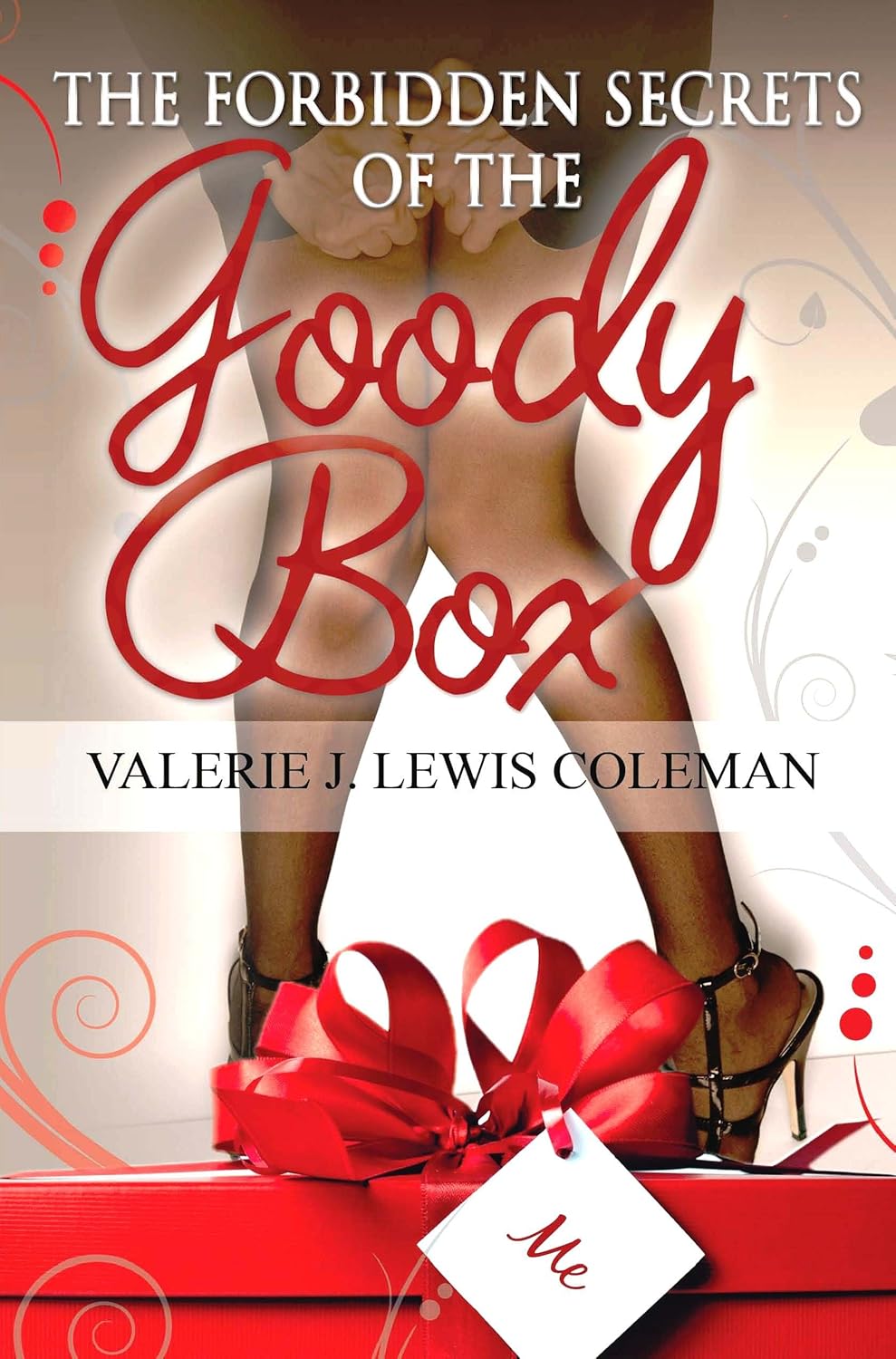
www.amazon.com
I sat down for a telephone interview with Valerie J. Lewis Coleman, relationship expert, author, and publisher.

During this interview, we discussed Valerie's book "The Forbidden Secrets of the Goody Box."

We also discussed Valerie's dating advice for single hetero ladies, including factors that lead to terrible relationships decisions, when you know you've met the "one", best way to your partner's heart, giving away the "goody box", how to become a "man whisperer", and more. Take a listen below:


You can find out more about Valerie, her book, and advice at valeriejlcoleman.com.

Bonus EP 17 Interview: Valerie J. Lewis Coleman, "Man Whisperer"

Just because the episode's over, doesn't mean the conversation has to end. I'm releasing two bonus interviews I did for for Episode #17: The (Not Always) Love Game. This is the second interview. You can find the first interview here.

***

By Emily Tan [CC-BY-2.0], via Wikimedia Commons

www.amazon.com
I sat down for a telephone interview with Valerie J. Lewis Coleman, relationship expert, author, and publisher.

During this interview, we discussed Valerie's book "The Forbidden Secrets of the Goody Box."

We also discussed Valerie's dating advice for single hetero ladies, including factors that lead to terrible relationships decisions, when you know you've met the "one", best way to your partner's heart, giving away the "goody box", how to become a "man whisperer", and more. Take a listen below:


You can find out more about Valerie, her book, and advice at valeriejlcoleman.com.
Just because the episode's over, doesn't mean the conversation has to end. I'm releasing two bonus interviews I did for for Episode #17: The (Not Always) Love Game. This is the first interview. You can find the second interview here.

***

By See-ming Lee [CC BY-SA-2.0], via Wikimedia Commons

www.amazon.com
I conducted a Skype call interview with Mr. Locario, "the bad boy of the dating game." Mr. Locario is a dating and relationship coach, and the author of several books, including the critically acclaimed "How to Have Sex with 2 Women a Day."

(Don't worry ladies - as you'll hear in the interview, Mr. Locario also thinks a woman should be able to have sex with as many partners as she wants without censure and shame, too.)

During the interview, we discussed some of his teachings and books, as well as some topics from TVP Episode #17: The (Not Always) Love Game, including: open relationships, long distance dating, and infidelity. Mr. Locario offered some really great insight; take a listen below:


You can find out more about Mr. Locario, his books, and coaching at mrlocario.com.

Bonus EP 17 Interview: Mr. Locario, "the Bad Boy of the Dating Game"

Just because the episode's over, doesn't mean the conversation has to end. I'm releasing two bonus interviews I did for for Episode #17: The (Not Always) Love Game. This is the first interview. You can find the second interview here.

***

By See-ming Lee [CC BY-SA-2.0], via Wikimedia Commons

www.amazon.com
I conducted a Skype call interview with Mr. Locario, "the bad boy of the dating game." Mr. Locario is a dating and relationship coach, and the author of several books, including the critically acclaimed "How to Have Sex with 2 Women a Day."

(Don't worry ladies - as you'll hear in the interview, Mr. Locario also thinks a woman should be able to have sex with as many partners as she wants without censure and shame, too.)

During the interview, we discussed some of his teachings and books, as well as some topics from TVP Episode #17: The (Not Always) Love Game, including: open relationships, long distance dating, and infidelity. Mr. Locario offered some really great insight; take a listen below:


You can find out more about Mr. Locario, his books, and coaching at mrlocario.com.

Friday, February 14, 2014

During EP#17, I recommended the Scarlet Letter and the G'Spot.

Whether you're celebrating Valentine's Day with a special someone, a group of special someones (ie: a group of girl friends, a harem of girlfriends, etc.), or on your own, you can indulge in sexy, smart cocktails.

Scarlet Letter (according to about.com)
  • 1 3/4 ounces No. 3 Gin
  • 1 ounce cranberry puree
  • 3/4 ounce honey syrup
  • 1 1/2 ounces sparkling wine
Note: The Scarlet Letter requires some prep ahead of time. Follow the about.com instructions, and you'll come out with an incredibly delicious drink.
Arco by germeister on Flickr (CC BY-NC-ND 2.0)

G'Spot (according to about.com)
  • 1 1/2 oz G'Vine Floraison Gin
  • 1/2 oz Chambord or other black raspberry liqueur
  • 1/4 oz Simple Syrup
  • 1/4 oz fresh lime juice
  • 3/4 oz lemon juice
...because it's always more fun when you've found and diddled the g-spot.

Drink Recipes for Episode #17: Scarlet Letter and G'Spot

During EP#17, I recommended the Scarlet Letter and the G'Spot.

Whether you're celebrating Valentine's Day with a special someone, a group of special someones (ie: a group of girl friends, a harem of girlfriends, etc.), or on your own, you can indulge in sexy, smart cocktails.

Scarlet Letter (according to about.com)
  • 1 3/4 ounces No. 3 Gin
  • 1 ounce cranberry puree
  • 3/4 ounce honey syrup
  • 1 1/2 ounces sparkling wine
Note: The Scarlet Letter requires some prep ahead of time. Follow the about.com instructions, and you'll come out with an incredibly delicious drink.
Arco by germeister on Flickr (CC BY-NC-ND 2.0)

G'Spot (according to about.com)
  • 1 1/2 oz G'Vine Floraison Gin
  • 1/2 oz Chambord or other black raspberry liqueur
  • 1/4 oz Simple Syrup
  • 1/4 oz fresh lime juice
  • 3/4 oz lemon juice
...because it's always more fun when you've found and diddled the g-spot.
Kit Bangles's Wicked Find for this week's EP is Boink Box, by Boink Boutique.

Boink Boutique has a really simply mission: "to make the world have more enjoyable sex." And with their variety of super sexy products, all we can say is mission accomplished.

By Alper Iseri [CC SA-3.0], via Wikimedia Commons
There are three monthly subscription plans to choose from:
  • $25 for the "Make Out Box", where you get lube and other small items every other month
  • $50 for the "Monthly Box", which contains lube, toys, and other fun items
  • $80 for the "Quarterly Luxury Box", where you get a luxury toy, lube, and more every 3 months
Our own Zoe Grimm, who subscribes to Boink Box, recommends the "Monthly Box". It's got plenty of sexy, fun delights to spice up your evenings (for solo play, use as a couple, or a combination of both).

Wicked Find for Episode #17: Boink Box

Kit Bangles's Wicked Find for this week's EP is Boink Box, by Boink Boutique.

Boink Boutique has a really simply mission: "to make the world have more enjoyable sex." And with their variety of super sexy products, all we can say is mission accomplished.

By Alper Iseri [CC SA-3.0], via Wikimedia Commons
There are three monthly subscription plans to choose from:
  • $25 for the "Make Out Box", where you get lube and other small items every other month
  • $50 for the "Monthly Box", which contains lube, toys, and other fun items
  • $80 for the "Quarterly Luxury Box", where you get a luxury toy, lube, and more every 3 months
Our own Zoe Grimm, who subscribes to Boink Box, recommends the "Monthly Box". It's got plenty of sexy, fun delights to spice up your evenings (for solo play, use as a couple, or a combination of both).